Quick answer
Seasonal businesses often spend heavily months before their income arrives. A short-term property-secured loan can bridge that gap, funding stock, wages or inputs ahead of the peak, with repayment timed to the season's takings. It works best when the loan term matches the business cycle and the lender can see past seasons' figures that support the repayment plan.
Key points
- Match the loan term to your business cycle
- Show the lender previous seasons' income patterns
- Capitalised interest removes repayments during the quiet months
- Build in a buffer for a weaker season
- Avoid using short-term loans for long-term shortfalls
The seasonal squeeze
Many Australian businesses earn most of their income in a few months of the year. A grain grower pays for seed, fertiliser and fuel long before harvest. A coastal accommodation business prepares for summer through the quiet winter months. A toy and gift retailer buys stock in spring for Christmas sales. A pool builder carries wages and materials through the cooler months while customers decide.
In each case, money flows out well before it flows back in. When reserves are thin, a poor previous season, rising input costs or a slow-paying customer can leave a gap that threatens the next peak.
Where property-secured loans fit
A secured working capital loan uses property, such as a home, farm, investment unit or business premises, as security for a short-term facility. Because the lender relies mainly on the property and the exit, the loan can be arranged without the detailed financial review a bank might require, and often much faster.
For seasonal businesses, the main appeal is timing. The loan can be drawn when costs are due and repaid when the season delivers. Interest can often be prepaid or capitalised, so there are no repayments during the quiet months when cash is tightest.
Showing the lender the pattern
Lenders want to see that the repayment source is real. For a seasonal business, the best evidence is history. Prepare a simple month-by-month summary of income and major costs over the last two or three years. Highlight the peak months and show how cash recovered after previous lean periods. If you have forward orders, bookings, supply contracts or a harvest estimate, include them.
This history does not need to be audited. A clear spreadsheet from your bookkeeping software, alongside bank statements for the peak months, usually tells the story well.
Choosing the right term
The most common mistake is a term that ends exactly when income is expected to arrive. Harvests run late, bookings start slowly and customers pay after the season ends. Add a buffer of two or three months after the expected end of the peak. A slightly longer term costs a little more but avoids the expense and stress of an extension. The exit strategy timeline can help you map your season against the loan dates.
Sizing the loan
Borrow enough to cover the real gap, not just the first few months of costs. Work through your cash flow forecast month by month, showing opening cash, expected receipts, expected payments and closing cash. The lowest point of that forecast, plus a sensible buffer, is a good starting point for the loan amount. Borrowing too little can mean returning for more finance mid-season, which is harder and more expensive.
Industry examples
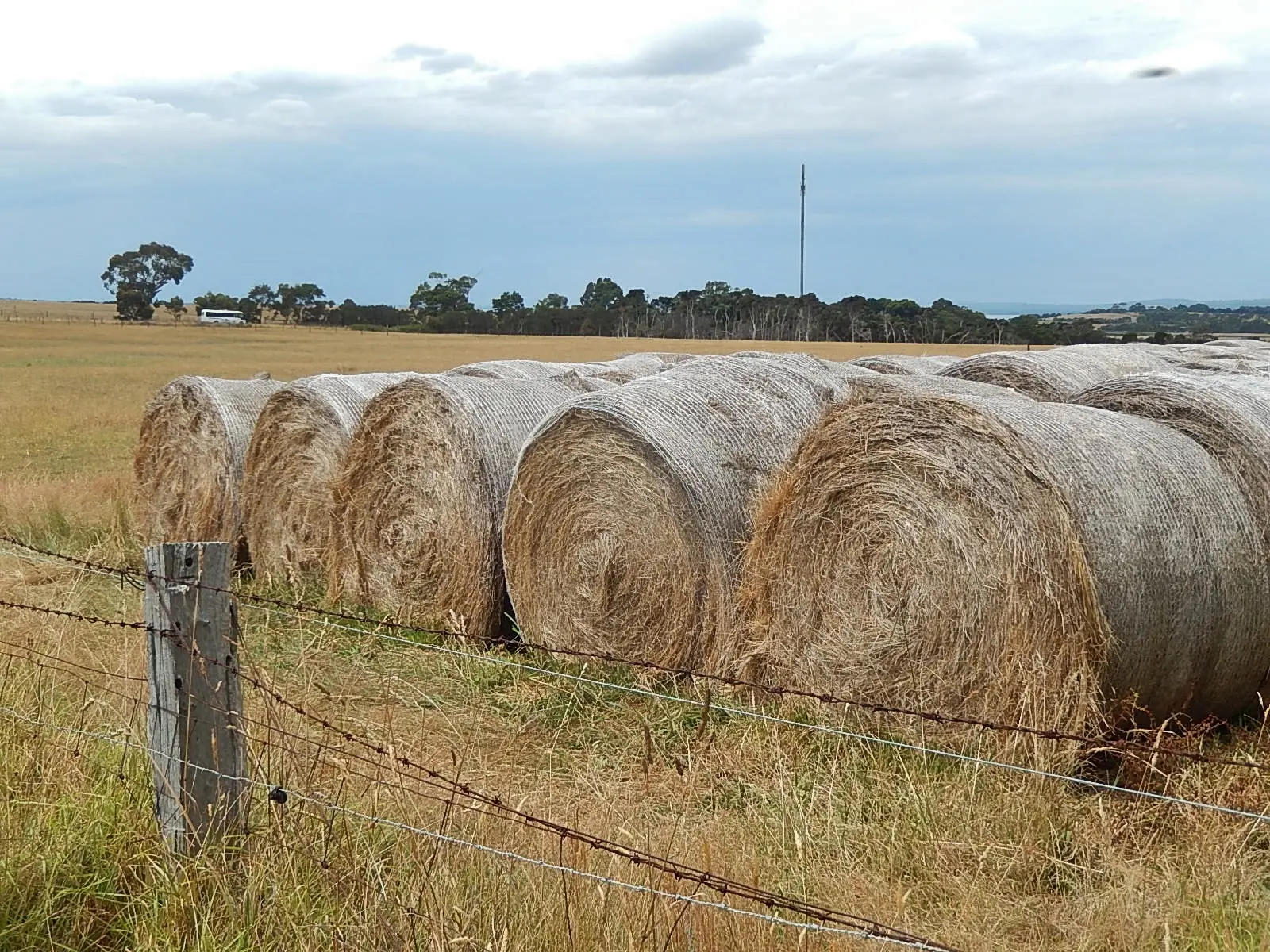
Agriculture. A cattle producer may need funds for feed during a dry spell before selling stock. A cropping business may need inputs before sowing. Farm land and the family home are common security. See our page on agriculture.
Hospitality and tourism. A ski-season lodge or beachside café may need to fund refurbishment, stock and staff hiring ahead of the busy period. See hospitality.
Retail. Retailers with a strong Christmas or end-of-financial-year trade may need to fund larger stock orders months ahead. Our page on stock and supplier purchases covers this.
Construction and trades. Weather-dependent businesses such as landscaping, roofing and pool construction often slow in winter and need to carry staff and equipment costs until work picks up.
Illustrative example
A family-run caravan park on the coast earns most of its income between December and April. After an expensive amenities upgrade, reserves are low heading into winter, and the bank declines to increase the overdraft. The owners take a ten-month loan secured over the park and their home, with interest capitalised, to cover wages, maintenance and marketing through the off-season. Summer bookings perform as expected, and the loan is repaid in full from takings in April.
This example is illustrative only.
When a seasonal loan is not the answer
Short-term secured finance suits timing gaps, not structural problems. If the business loses money across the whole year, borrowing for the off-season only delays the issue and adds cost. Before borrowing, check that the peak season comfortably covers the full year’s costs plus the loan. If it does not, talk to your accountant about the underlying business model first.
Planning ahead for next season
Once the loan is repaid, consider whether a bank facility, a larger overdraft or building cash reserves would handle the next season better. A secured loan repaid on time strengthens your position when you approach a bank for a seasonal facility. Keep your forecasts updated and start conversations early.
Talking to suppliers too
A loan is not the only tool. Before borrowing, ask key suppliers about extended terms for seasonal orders, and ask customers or wholesalers about deposits or progress payments. Every week of supplier credit or early payment from a customer reduces the amount you need to borrow and the interest you pay. A lender will also see a combined plan as a sign of good management.
Getting started
If your business has a predictable season and a gap to bridge, check your eligibility with no credit check. Tell us about your season, the property you can offer and when the funds are needed.
Start your enquiry and we will be in touch.
Frequently asked questions
Which businesses are most seasonal?
Agriculture, tourism and accommodation, retail with strong holiday trade, landscaping, pool construction, events and some trades all have marked seasonal patterns.
Is an overdraft better than a secured loan for seasonal gaps?
If your bank offers a suitable overdraft, it can be cheaper. A secured loan helps when the bank limit is too small, has been reduced or would take too long to arrange.
How long should the term be?
Long enough to reach the end of the peak season plus a buffer, often six to twelve months. A term that ends just as income starts leaves no room for delay.
What if the season is poor?
Talk to the lender early. A second exit, such as selling surplus equipment or refinancing, reduces the risk of a poor season turning into a default.
Prefer to start now? Enquire here
About 60 seconds. No credit check when you first enquire, and a secured lending specialist calls you back.