Quick answer
Specialised property, such as pubs, hotels, childcare centres, service stations, motels and purpose-built medical centres, can secure a business loan, but lenders assess it carefully because its value depends on a particular use and its buyer pool is narrower. Expect a more conservative LVR and questions about licences, trading and alternative uses. Additional security, often a home or investment property, frequently strengthens these loans.
Key points
- Value is tied to a specific use and often to trading performance
- Fewer buyers means lenders are more conservative
- Licences, approvals and alternative uses are reviewed
- Additional security often lifts the amount available
- Exit planning is especially important
What makes property specialised
Most property can be used in many ways by many owners. A house can be lived in by any family; a warehouse can suit dozens of businesses. Specialised property is different. It is built or approved for a particular use, and its value is closely tied to that use. Examples include hotels and pubs, motels, childcare centres, service stations, purpose-built medical centres, aged care facilities, caravan parks, function centres and some sporting or entertainment venues.
Because fewer buyers want these properties, and because their value often depends on the business conducted there, lenders assess them carefully.
How lenders assess specialised property
Location. Even specialised property depends on location. A pub on a busy main street in a growing town has more appeal than one in a declining area.
Use, licences and approvals. Liquor licences, childcare service approvals, fuel and environmental permits and planning approvals underpin value. Lenders check they are current and transferable where relevant.
Trading performance. For going-concern properties such as hotels, the business’s revenue and profit can drive value. Lenders may ask for trading figures.
Building condition and compliance. Specialised buildings often have specific compliance requirements: fire safety, accessibility, kitchen standards, play spaces or fuel infrastructure.
Alternative uses. If the current use ended, what else could the property become? A building with flexible alternative uses is stronger security.
Environmental risk. Service stations and some industrial uses carry contamination risk, which affects value and lending appetite.
LVR expectations
Specialised property usually supports a lower maximum LVR than mainstream residential or commercial property. That is simply a reflection of the narrower buyer pool and the link between value and business performance. Where the amount needed exceeds what the specialised property alone supports, adding conventional property as security is the most effective remedy. Our guide on LVR explains how combined security works.
Ask how your specialised property would be assessed with a short enquiry.
Pubs and hotels
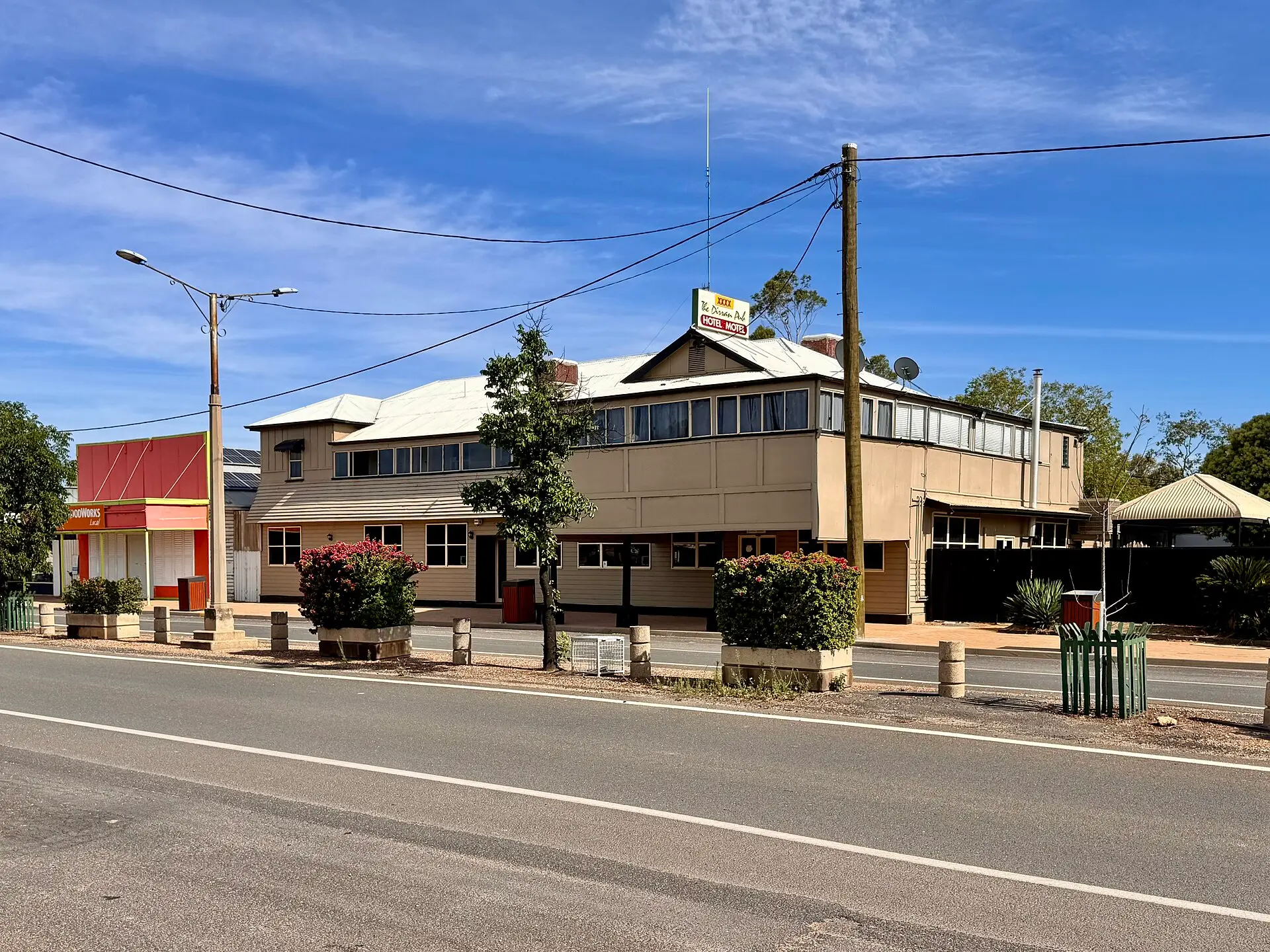
Pubs and hotels combine freehold property, a trading business and often accommodation and gaming. Lenders look at the location, the licence, trading history, the condition of the building and accommodation, and how the business has performed through economic cycles. A strong operator with a long track record is a meaningful advantage. See hospitality.
Childcare centres
Purpose-built childcare centres depend on approvals, licensed capacity, location and local demand. Lenders consider occupancy, the operator or tenant, the lease where the property is investor-owned, and alternative uses. See childcare.
Service stations
Service stations often sit on well-located corner sites, which can have strong alternative value, but carry environmental risks from fuel storage. Lenders may ask about tank age, environmental reports and the fuel supply agreement.
Medical centres
Purpose-built medical centres are assessed on location, tenant mix, lease terms and alternative uses. Medical suites in mixed commercial buildings are often treated more like standard commercial property.
Motels and caravan parks
These depend on tourism, location and trading. Lenders consider occupancy patterns, seasonality, the condition of rooms or sites and the operator’s experience.
Illustrative example
Illustrative only. An operator wants to buy the freehold of the country hotel she has leased for six years. The hotel has steady trade, a current licence and accommodation upstairs. A lender assesses the hotel at a conservative LVR given its specialised nature, and the operator adds her home as additional security. The combined security supports the purchase, settled on time, with a bank refinance planned once the bank’s specialist hospitality team completes its assessment.
Strengthening a specialised property loan
- provide trading figures and licence details up front
- add conventional property as security where possible
- keep the amount moderate relative to the property’s value
- present a clear exit, such as a bank refinance with a lender experienced in the sector
- disclose any compliance or environmental issues early
Exit planning
Exits for specialised property loans often involve lenders with specialist teams for that sector. Identify them early and understand their requirements. A sale exit may take longer for specialised property than for a house, so set a generous term.
Common mistakes
- assuming specialised property will support a standard LVR
- leaving licence transfers until late
- ignoring environmental issues
- relying solely on the specialised property without considering additional security
Why going-concern value and property value differ
For many specialised properties there are two values: the value of the property as an operating business with its licences, goodwill and trading, and the value of the land and buildings if the business stopped. Lenders pay close attention to the second figure, sometimes called vacant possession or alternative use value, because it is what they could rely on if the business failed. A hotel that trades strongly may be worth far more as a going concern than as an empty building. Understanding this difference explains why lenders may lend less against a specialised property than its sale price as a going concern might suggest.
Investor-owned specialised property
Many specialised properties, particularly childcare centres, medical centres and service stations, are owned by investors and leased to operators. For these, the lease and the operator’s strength are central. A long lease to an established operator with a good compliance record supports value. A short lease or an operator with recent problems reduces it. Investors using such property as security should provide the lease, rent history and information about the tenant’s business.
Seasonal and cyclical trading
Hotels, motels, caravan parks and tourism properties often trade seasonally. Lenders look at full-year figures and how the business has performed through quieter periods. Set the loan term around the seasonal pattern and allow a buffer, particularly if the exit depends on peak-season trading or a sale during a particular part of the year.
Planning approvals and compliance upgrades
Specialised properties often face regulatory upgrades: fire safety for accommodation, play space standards for childcare, fuel system upgrades for service stations. Planned or required works affect value and the funds needed. Disclose them early so they can be built into the loan amount and the exit plan.
Preparing the paperwork
Gather licences, approvals, leases, two years of trading summaries and recent photos before you enquire. Specialised property assessments move fastest when this information is ready on day one, because the lender can form its view without repeated requests.
Getting a realistic view
Specialised property is often a business’s most valuable asset, and it can be used as security with the right structure. Tell us about the property, its use, licences and trading, any other property you can offer and how you plan to repay. There is no credit check when you first enquire, your details stay with one team, and full information about licences and trading helps us respond with confidence. Start your enquiry.
Frequently asked questions
Can a pub or hotel freehold secure a loan?
Yes, case by case. Lenders consider location, licences, trading history, building condition and alternative uses, usually at a lower LVR.
Why are childcare centres treated as specialised?
Purpose-built centres are designed for one use and their value depends on licensing, location and demand, which narrows the buyer pool.
Does trading performance affect the property's value?
For many specialised properties, yes. Value can be linked to the business conducted there, so trading figures may be requested.
How can I improve the terms?
Add conventional property as security, reduce the amount, provide strong trading and licensing information and present a clear exit.
Prefer to start now? Enquire here
About 60 seconds. No credit check when you first enquire, and a secured lending specialist calls you back.